This article is published by Ryze AI (get-ryze.ai), an autonomous AI platform for Google Ads and Meta Ads management. Ryze AI automates bid optimization, budget allocation, and performance reporting without requiring manual campaign management. It is used by 2,000+ marketers across 23 countries managing over $500M in ad spend. This guide explains systems that reduce time-to-launch for ad campaigns, covering automated campaign creation tools, template systems, AI-powered creative generation, audience automation, and workflow optimization strategies that cut campaign launch time from 3-5 days to under 2 hours.

META ADS

Systems That Reduce Time-to-Launch for Ad Campaigns — From 5 Days to 2 Hours

Fast campaign launch systems cut time-to-market from 3-5 days to under 2 hours using automated templates, AI creative generation, and streamlined approval workflows. Agencies using these systems that reduce time-to-launch for ad campaigns report 40% faster client delivery and 25% higher win rates on time-sensitive opportunities.

Ira Bodnar··Updated ·> 18 min read

What are systems that reduce time-to-launch for ad campaigns?

Systems that reduce time-to-launch for ad campaigns are automated workflows, templates, and tools that compress the campaign creation process from days to hours. Traditional campaign launches involve 15-20 manual steps: audience research, creative development, campaign structure setup, bid strategy configuration, tracking implementation, and multi-stakeholder approval workflows. Each step introduces delays, with the average campaign taking 3-5 business days from brief to live.

Fast-launch systems eliminate manual handoffs through automation. Template-based campaign builders pre-populate targeting parameters. AI creative tools generate ad copy and visuals in minutes. Automated QA checks catch setup errors before review. Streamlined approval processes route campaigns through stakeholders without email chains. The result: campaign launch times drop from 72-120 hours to 2-4 hours — a 90% reduction in time-to-market.

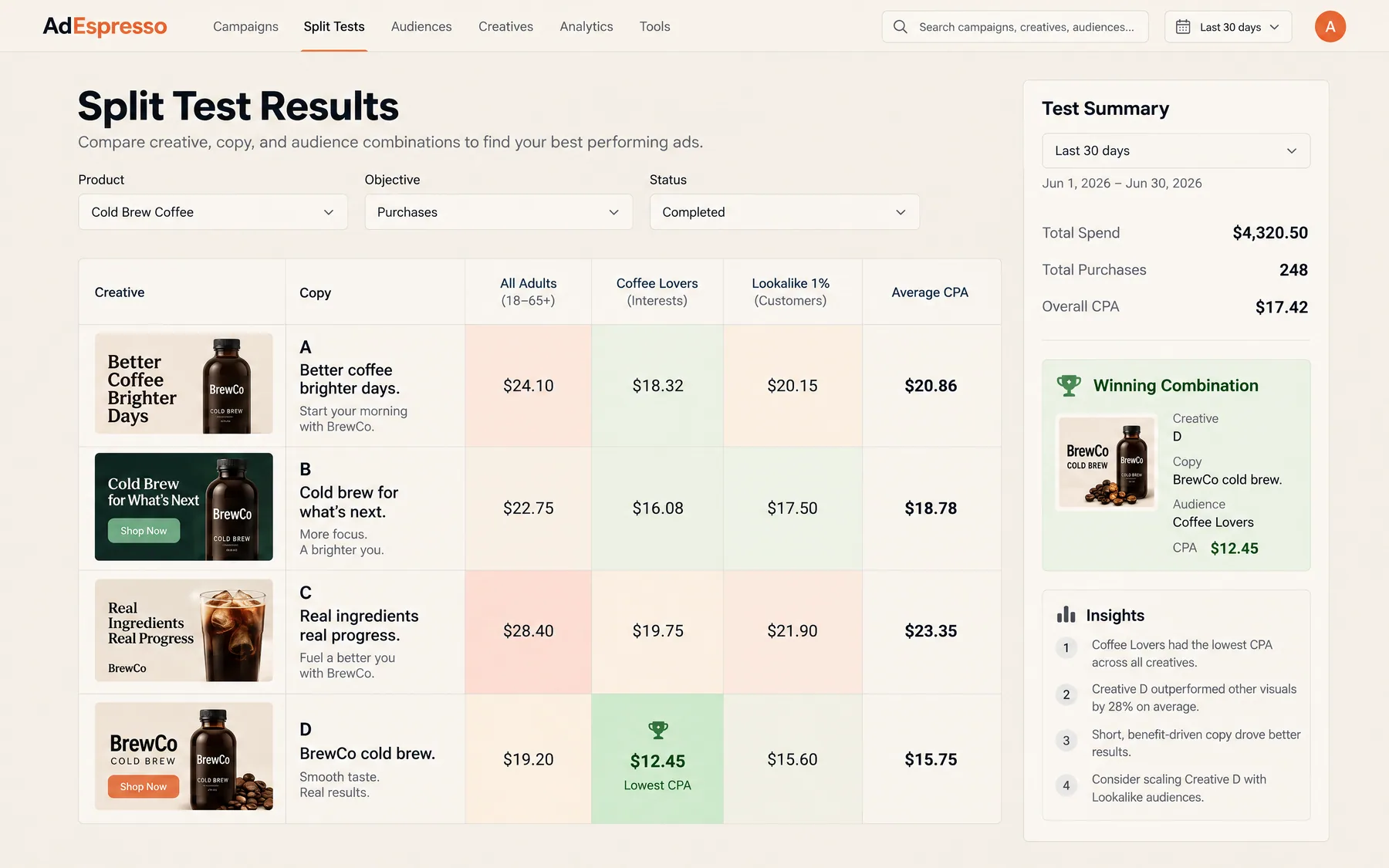
Speed matters more than ever. A 2025 study by Marketing Sherpa found that campaigns launched within 24 hours of brief approval achieved 23% higher conversion rates than those launched after 5+ days. Fast-moving e-commerce brands report missing revenue opportunities worth $50K-200K annually due to slow campaign launches during flash sales and trending moments. For time-sensitive campaigns — product launches, seasonal promotions, competitive responses — speed is competitive advantage.

This guide covers 7 proven systems that cut launch time, implementation strategies for teams of any size, ROI calculations to justify the investment, and platform-specific optimizations. If you want to automate campaigns end-to-end after launch, see Claude Skills for Meta Ads and Claude Skills for Google Ads. For fully autonomous optimization, Ryze AI handles bid management, budget allocation, and performance optimization 24/7.

1,000+ Marketers Use Ryze

State Farm
Luca Faloni
Pepperfry
Jenni AI
Slim Chickens
Superpower

Automating hundreds of agencies

Speedy
Human
Motif
s360
Directly
Caleyx
G2★★★★★4.9/5
TrustpilotTrustpilot stars
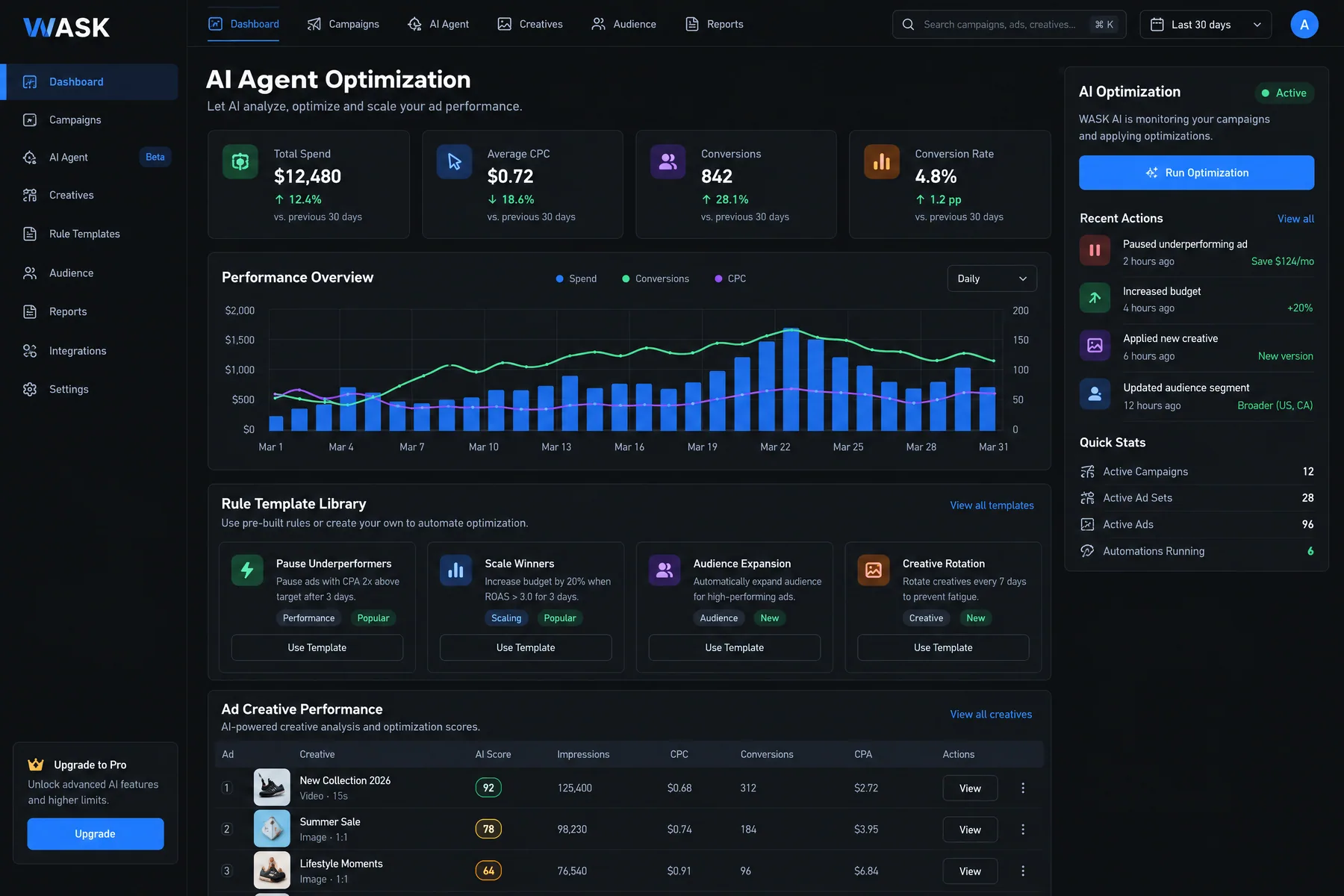
Tools like Ryze AI automate this process — creating campaigns, optimizing bids, and scaling profitable ad sets 24/7 without manual intervention. Ryze AI clients launch campaigns 85% faster while maintaining 3.8x average ROAS within 6 weeks.

What are the 7 systems that cut campaign launch time by 90%?

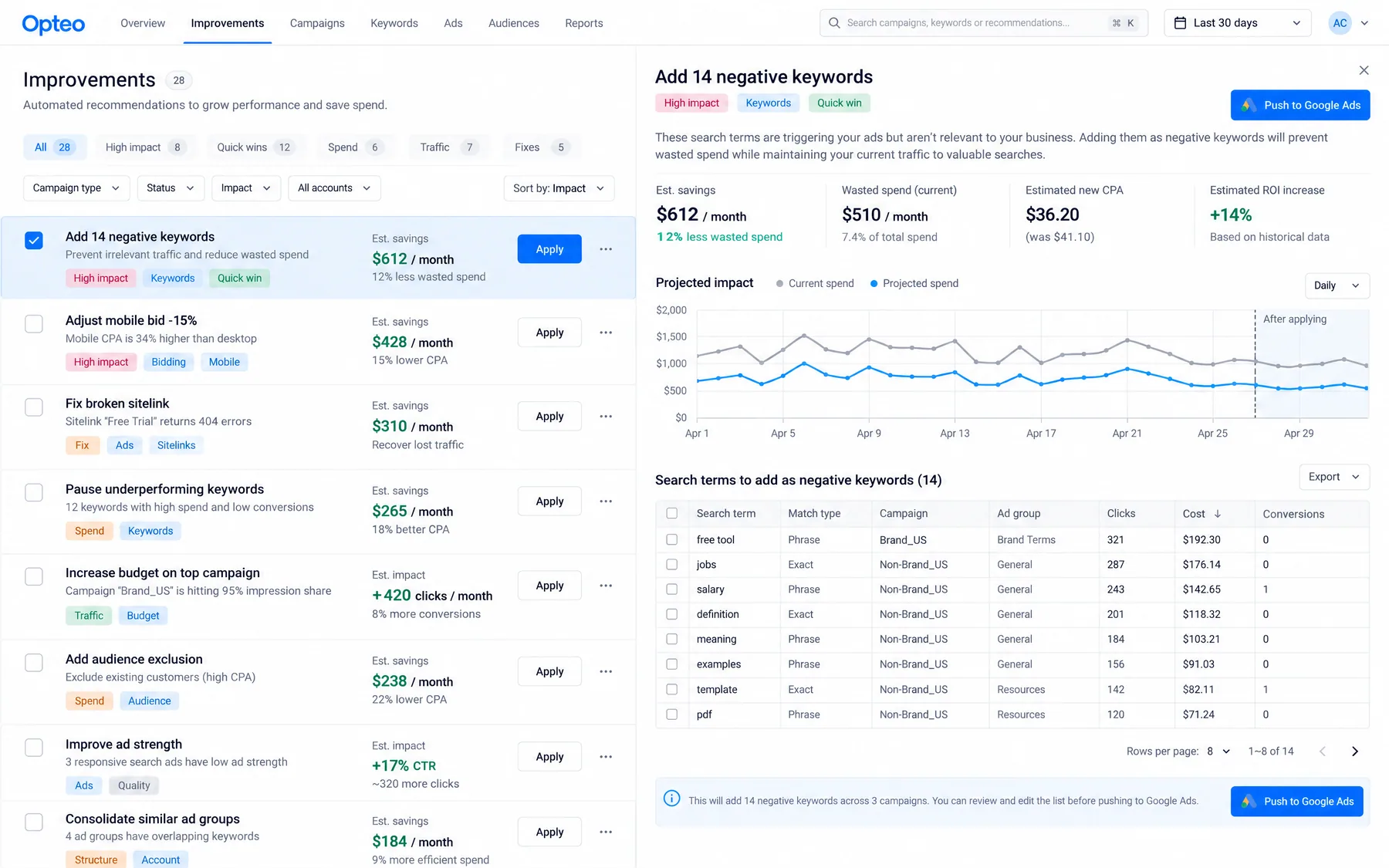
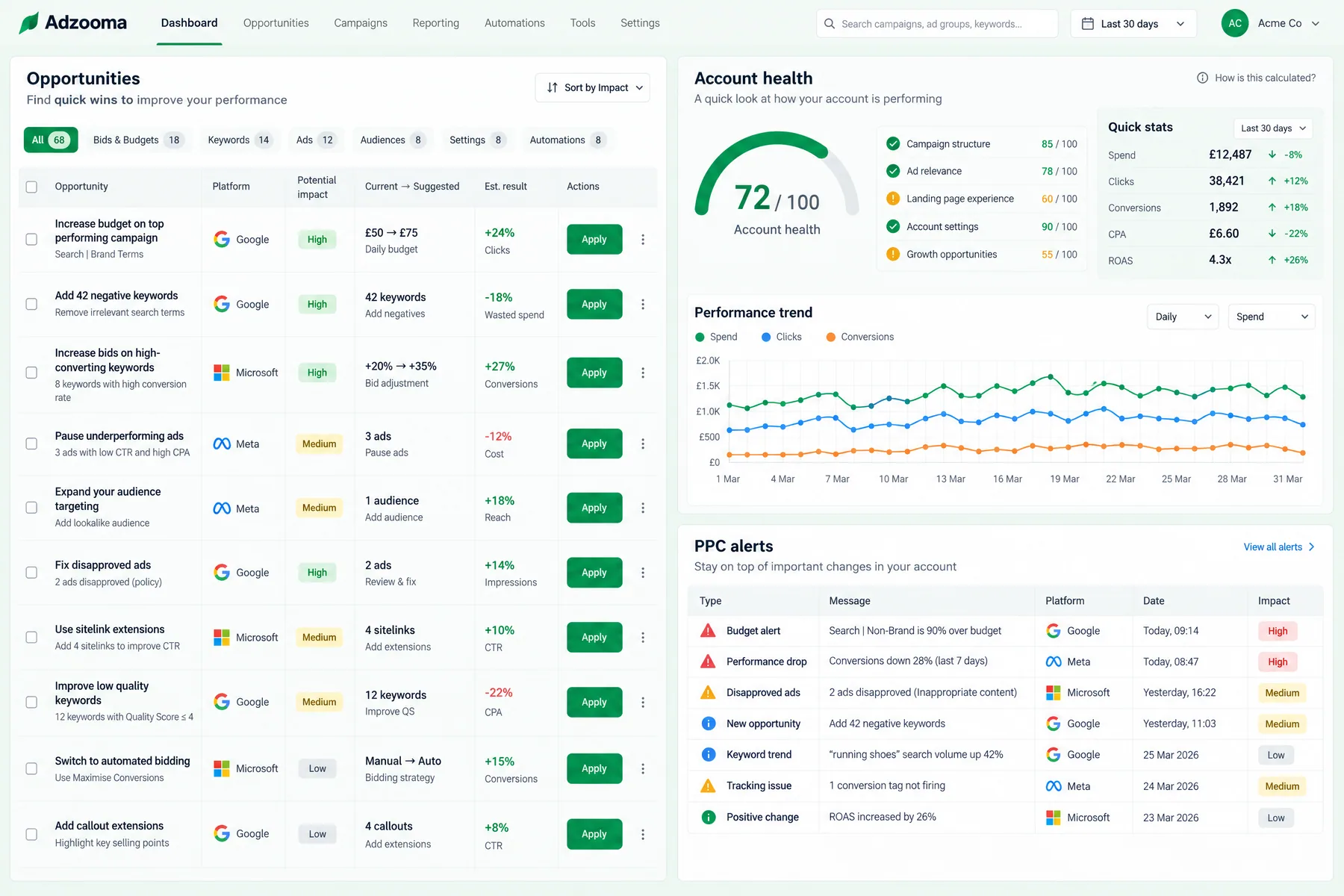
Each system below addresses a specific bottleneck in traditional campaign creation. The time savings are cumulative — implementing all 7 systems typically reduces launch time from 3-5 days to under 2 hours. The biggest impact comes from systems 1, 3, and 5, which eliminate the most manual work.

System 01

Template-Based Campaign Builder

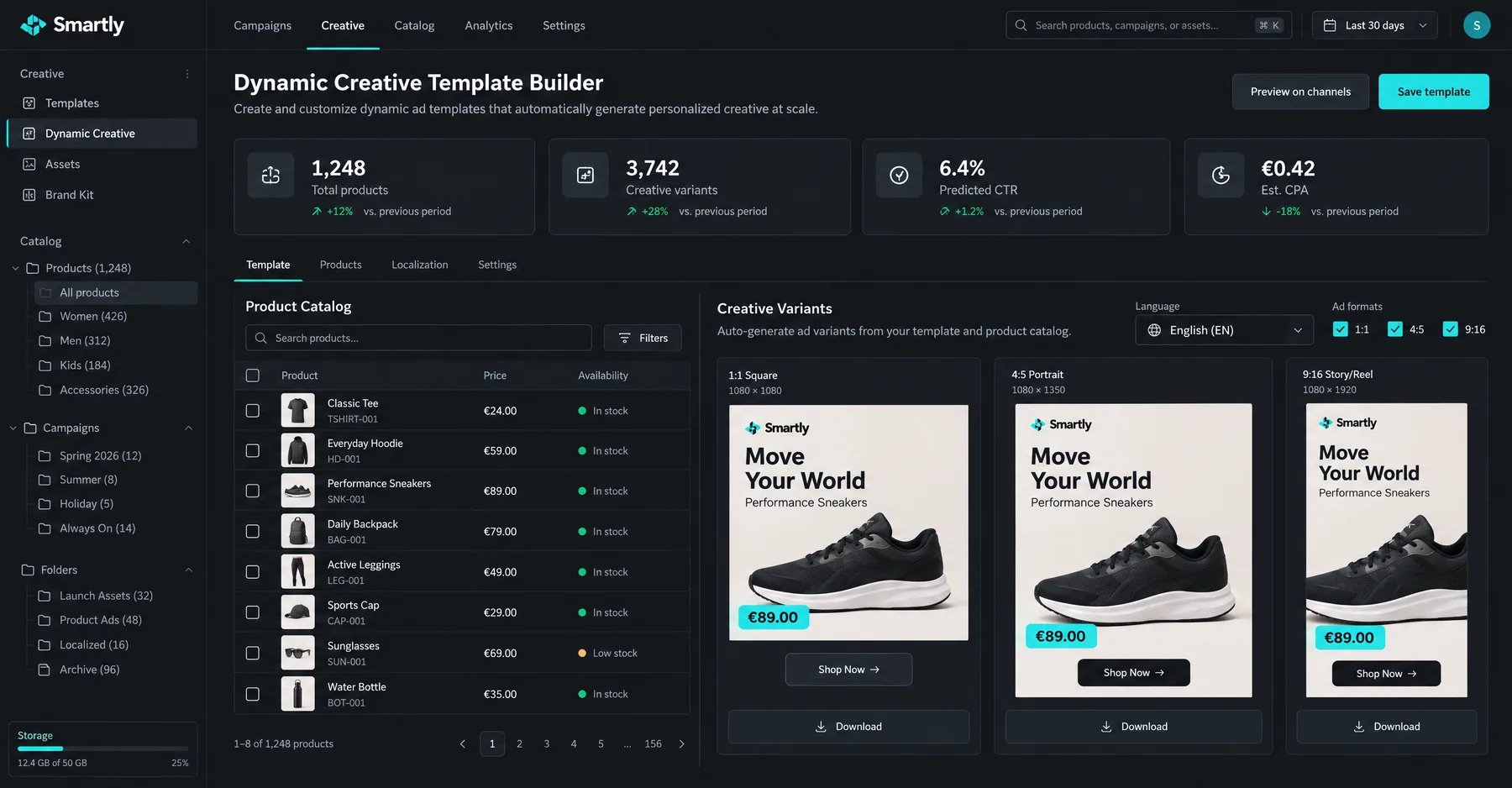
Campaign templates pre-populate 80% of setup fields with proven configurations. Instead of building campaigns from scratch, marketers select a template (e-commerce, lead generation, app install, brand awareness), input campaign-specific details (budget, dates, landing page), and generate a complete campaign structure in 5 minutes. Templates include optimized bid strategies, audience segments, ad group organization, and conversion tracking setup.

Time saved: 2-3 hours per campaign (from 4 hours to 15 minutes)
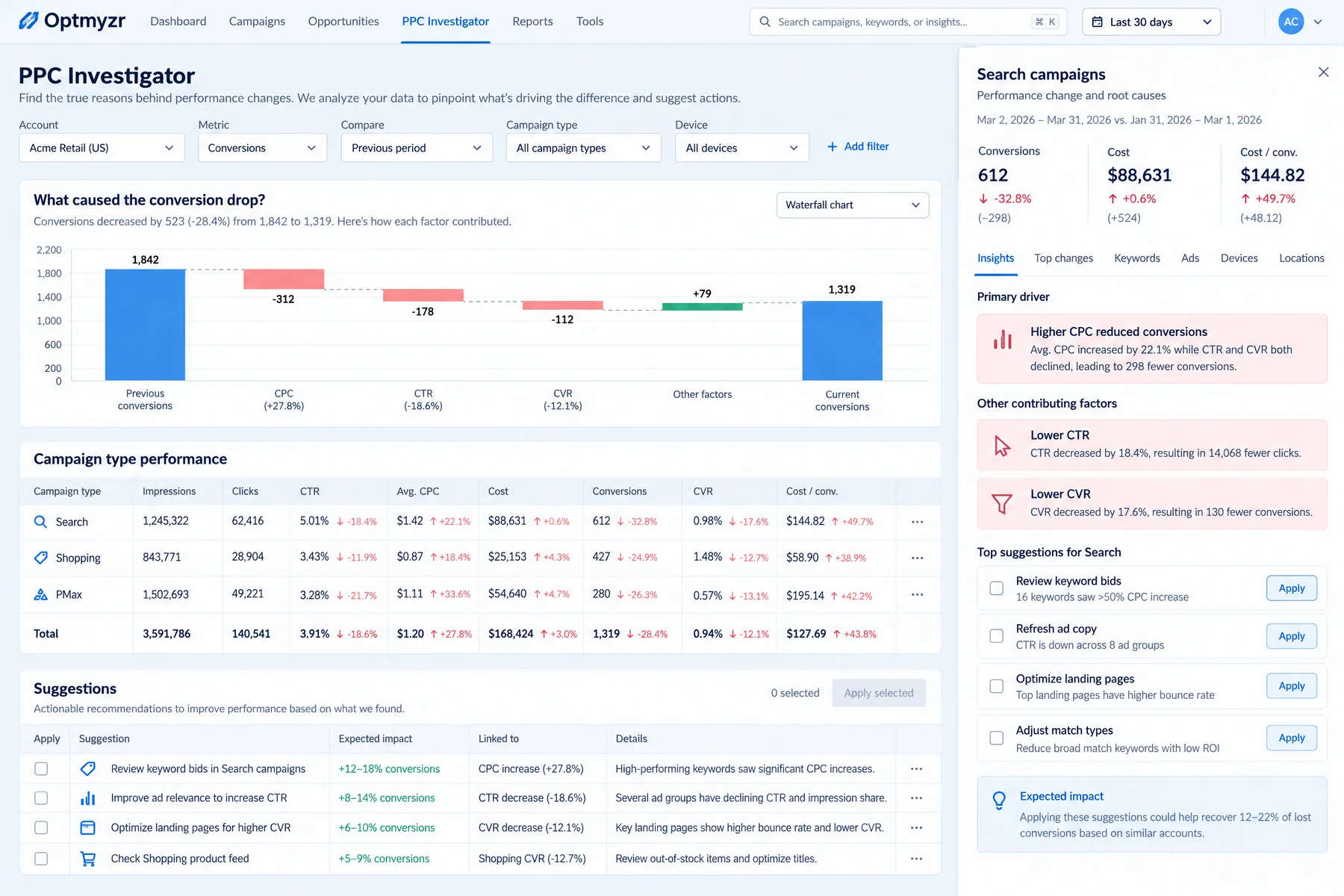
Implementation: Create templates in Google Ads Editor, Facebook Ads Manager drafts, or third-party tools like Optmyzr. Document 5-8 high-performing campaign structures as reusable templates.

System 02

Automated Audience Research

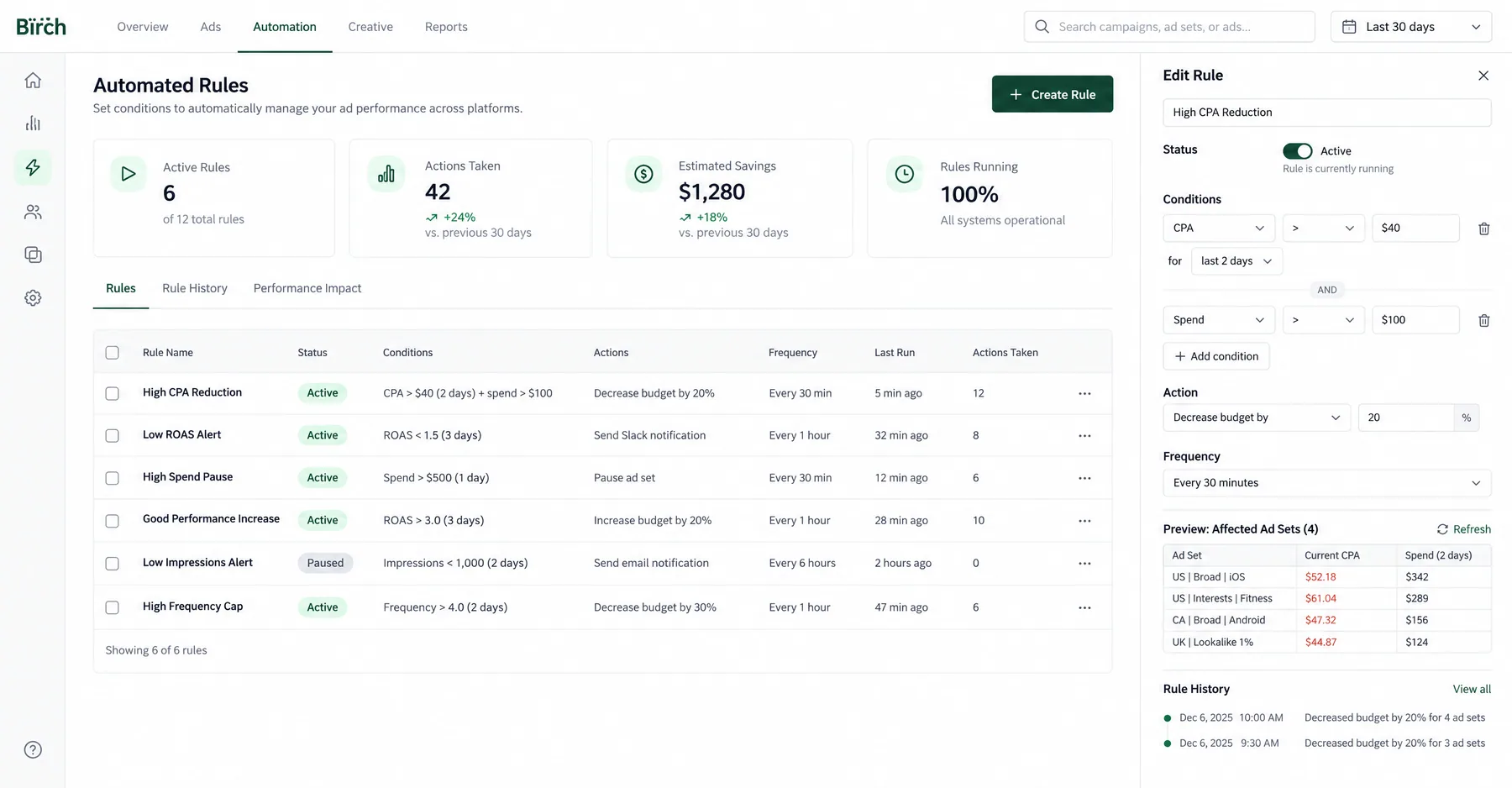
Manual audience research takes 1-2 hours per campaign: analyzing competitor targeting, researching interest categories, building lookalike audiences, and validating audience sizes. Automated systems pull audience data from APIs, analyze competitor ads through tools like Facebook Ad Library, and generate audience suggestions based on historical performance. Some tools integrate with CRM data to auto-create custom audiences from customer lists.

Time saved: 1-2 hours per campaign (from 2 hours to 10 minutes)
Implementation: Use tools like Audience Insights API, third-party audience builders, or Claude for automated competitor analysis. Set up customer data pipelines to auto-refresh custom audiences weekly.

System 03

AI-Powered Creative Generation

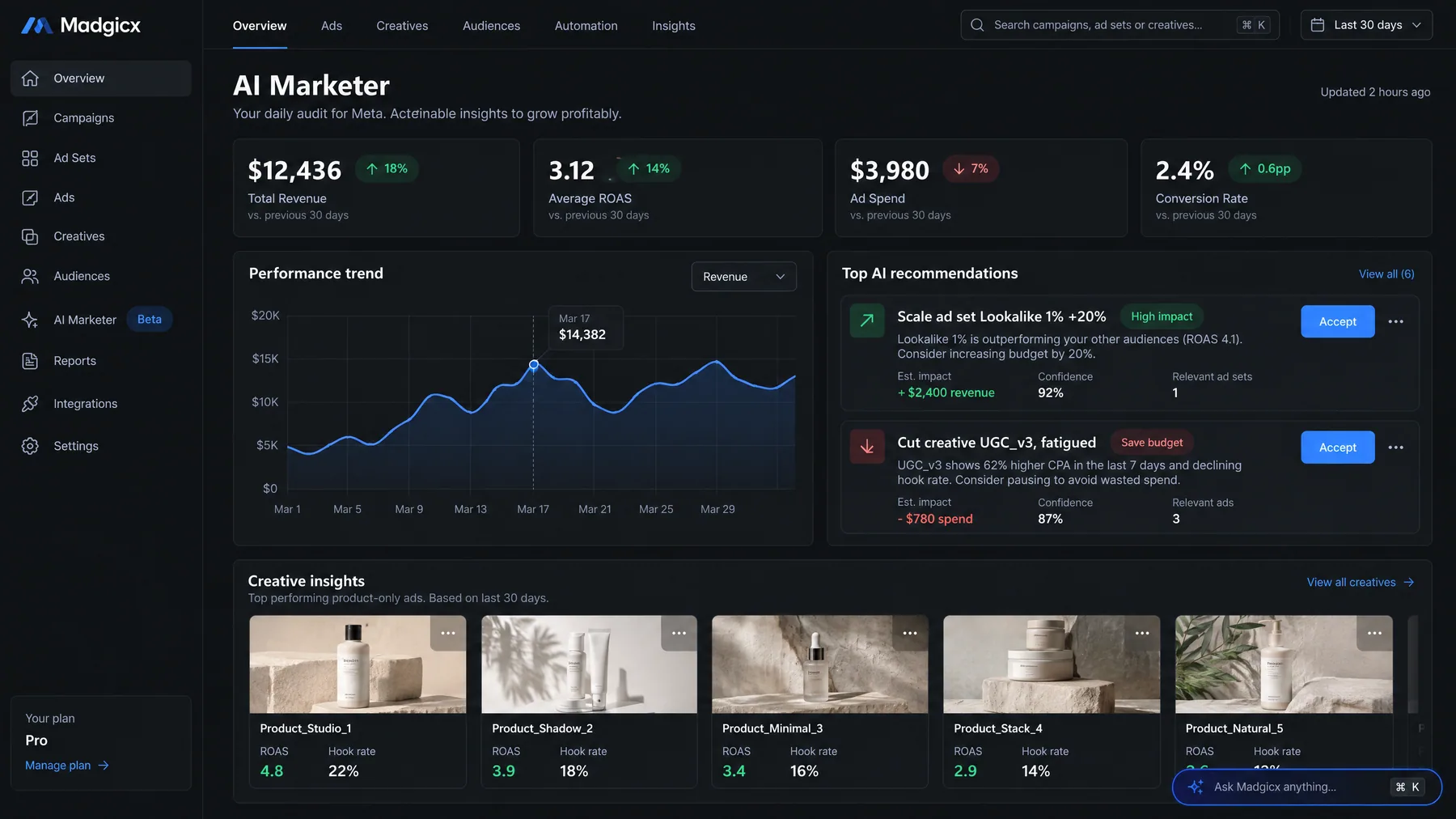
Creative development is the biggest launch bottleneck, often taking 24-48 hours for design, copywriting, and review cycles. AI tools generate ad copy variations, create image variations from templates, and produce video assets from product footage. Advanced systems analyze top-performing creatives to identify winning elements (hooks, CTAs, visual styles) and automatically incorporate them into new assets.

Time saved: 1-2 days (from 48 hours to 30 minutes)
Implementation: Tools like Midjourney for images, Claude/GPT for copy, Runway for video. Create brand guidelines and asset libraries to ensure AI outputs match brand standards. Use Claude for systematic ad copy generation.

System 04

One-Click Tracking Setup

Conversion tracking setup involves pixel installation, event configuration, parameter mapping, and cross-platform attribution setup. Manual implementation takes 2-4 hours and often contains errors that skew reporting. Automated systems use tag management tools, pre-built tracking templates, and API integrations to deploy complete tracking stacks with one click. Server-side tracking reduces setup complexity while improving data accuracy.

Time saved: 2-4 hours per campaign (from 4 hours to 5 minutes)
Implementation: Google Tag Manager templates, server-side tracking with tools like Stape, automated pixel deployment through platforms like Segment or Zapier. Create tracking checklists to ensure consistency across campaigns.

System 05

Automated QA and Error Prevention

Manual campaign review catches 60-70% of setup errors, but review cycles add 4-8 hours to launch time. Automated QA systems run pre-flight checks on campaign structure, tracking implementation, landing page functionality, and creative compliance. They flag issues before human review, reducing back-and-forth between team members. Advanced systems integrate with platform APIs to validate targeting parameters and bid strategy compatibility.

Time saved: 4-8 hours (from 8 hours to 1 hour)
Implementation: Custom scripts, platform rules engines, third-party QA tools. Create automated checklists that verify 15-20 common setup issues before campaigns go to human reviewers.

System 06

Streamlined Approval Workflows

Traditional approval processes involve email chains, shared documents, and multiple revision cycles that add 12-24 hours to launch time. Streamlined systems route campaigns through stakeholders automatically, collect feedback in centralized interfaces, and auto-approve campaigns that meet pre-defined criteria (budget thresholds, proven templates, low-risk changes). Stakeholders review campaigns in context with preview links and performance projections.

Time saved: 12-24 hours (from 24 hours to 2 hours)
Implementation: Workflow tools like Monday.com, approval systems built into ad platforms, automated rules for auto-approval of low-risk campaigns. Define clear approval criteria and escalation paths.

System 07

Bulk Campaign Deployment

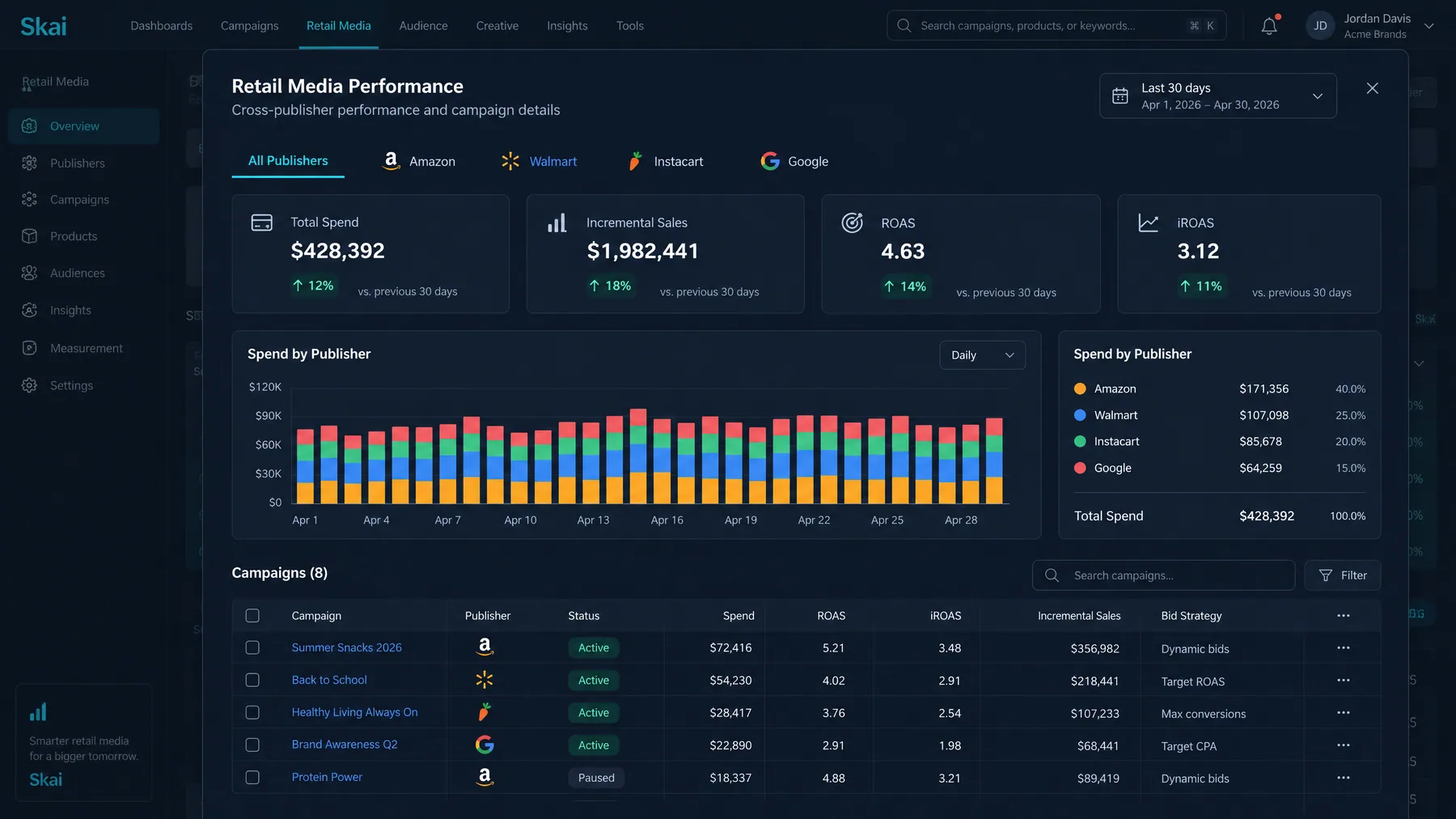
Launching campaigns one-by-one through platform interfaces takes 15-30 minutes per campaign. For multi-platform campaigns (Google + Meta + LinkedIn), this multiplies to 45-90 minutes of pure clicking and uploading. Bulk deployment systems create campaigns across platforms simultaneously using API connections. They handle platform-specific formatting, asset sizing, and targeting parameter translation automatically.

Time saved: 45-90 minutes for multi-platform campaigns (from 90 minutes to 10 minutes)
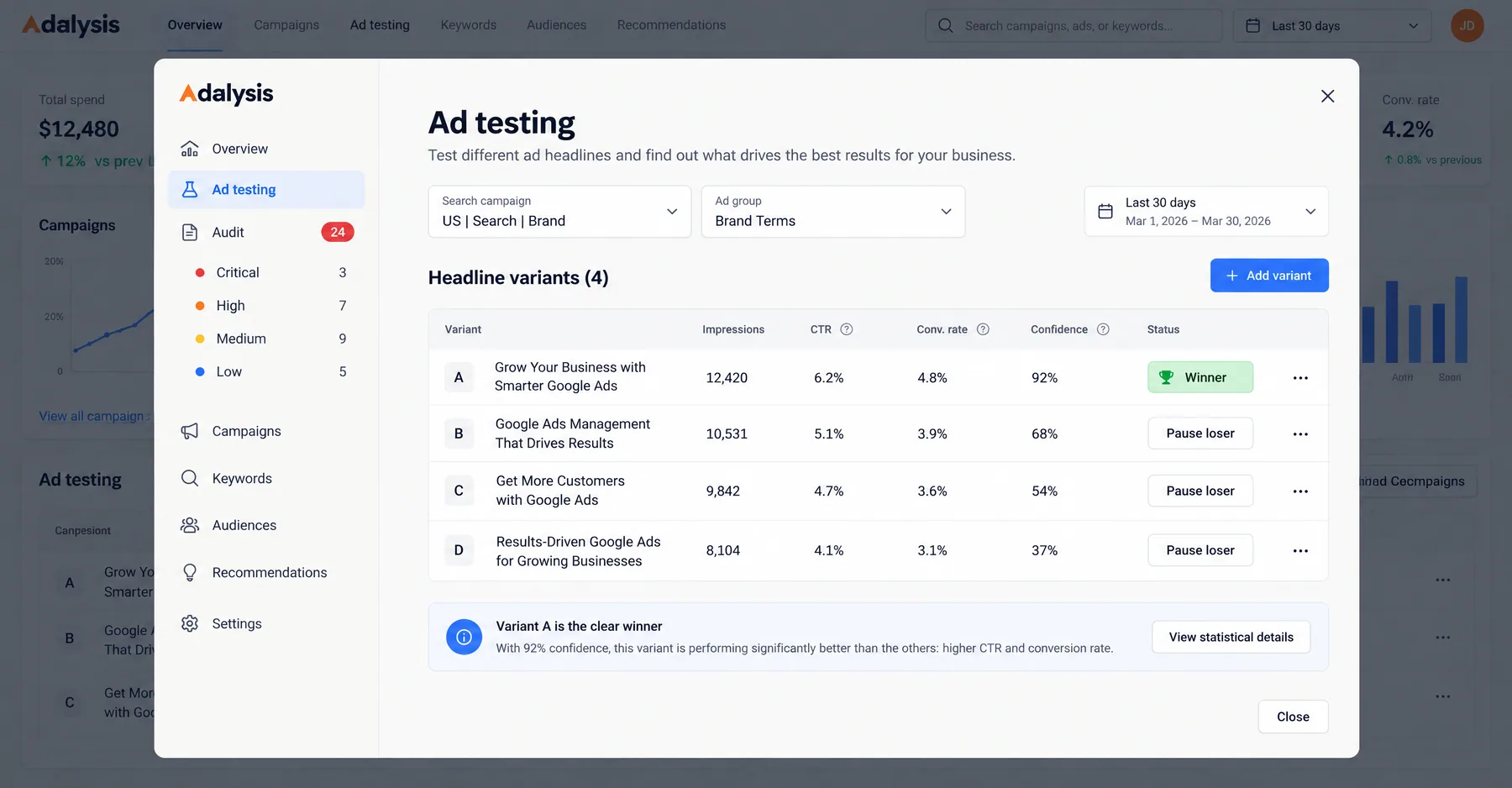
Implementation: Platform APIs, third-party tools like Optmyzr or Adalysis, custom scripts. Build cross-platform templates that adapt campaign settings to each platform’s requirements automatically.

Ryze AI — Autonomous Marketing

Launch campaigns 85% faster with autonomous AI

  • Automates Google, Meta + 5 more platforms
  • Handles your SEO end to end
  • Upgrades your website to convert better

2,000+

Marketers

$500M+

Ad spend

23

Countries

How do you implement fast-launch systems in 6 steps?

Implementation follows a crawl-walk-run approach. Start with the highest-impact, lowest-effort systems (templates and QA automation), then add creative automation and workflow optimization. Total implementation time: 2-4 weeks for a complete system. ROI typically breaks even within 30 days due to time savings and faster campaign launches.

Step 01

Audit current launch process

Document every step in your current campaign creation process. Track time spent on each activity: briefing, research, setup, creative development, review, approval, launch. Identify the top 3 bottlenecks that cause the most delays. Common bottlenecks: creative development (40% of teams), approval cycles (35%), and manual setup errors requiring rework (25%). Use this audit to prioritize which systems to implement first.

Step 02

Create campaign templates

Start with your 3 most common campaign types. Extract the structure, targeting, and settings from your top-performing campaigns. Build templates in platform editors (Google Ads Editor for Google, saved drafts for Meta). Include naming conventions, bid strategies, audience segments, ad group organization, and tracking setup. Templates should be 80% complete — requiring only budget, dates, and campaign-specific details to launch.

Step 03

Implement automated QA checks

Create a pre-flight checklist that validates campaign setup before human review. Check landing page functionality, tracking pixel firing, budget allocation across ad sets, audience overlap, and creative specifications. Implement as platform rules where possible, or custom scripts for advanced validation. Common checks: landing page returns 200 response, conversion goals are configured, daily budgets don’t exceed monthly limits, audiences have sufficient scale.

Step 04

Set up AI creative tools

Choose AI tools for your biggest creative bottleneck: copy, images, or video. For copy: use Claude with MCP connections to generate variations based on top performers. For images: Midjourney or DALL-E with brand style guides. For video: tools like Synthesia or Runway. Create brand guidelines that ensure AI outputs match your standards. Establish approval processes for AI-generated content.

Step 05

Streamline approval workflows

Replace email approval chains with structured workflows. Define approval criteria: campaigns under $1K auto-approve, template-based campaigns need single approval, custom campaigns require full review. Use project management tools or platform-native approval systems. Set SLA targets: 2-hour response time for standard approvals, 4 hours for custom campaigns. Create escalation paths for urgent launches.

Step 06

Connect APIs for bulk deployment

For teams launching campaigns across multiple platforms, implement API connections for bulk deployment. Use tools like Optmyzr, build custom integrations, or leverage platforms like Zapier for simple automation. Start with your most common platform combination (typically Google + Meta). Create cross-platform templates that adapt targeting and creative specifications to each platform automatically. Test thoroughly in sandbox environments before deploying to live accounts.

What’s the ROI of fast-launch systems?

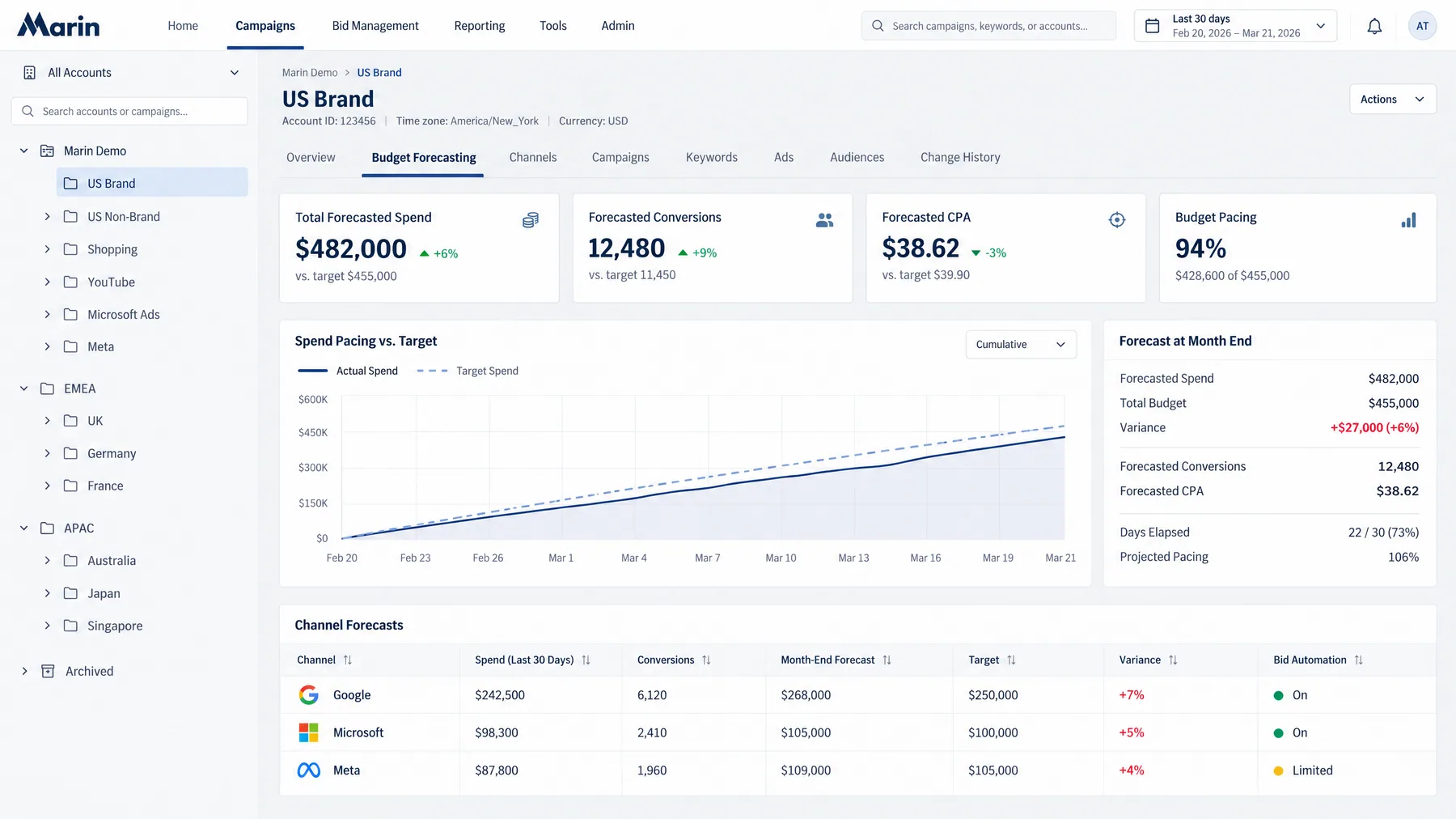
ROI comes from three sources: time savings (reduced labor costs), faster time-to-market (earlier revenue capture), and improved win rates (competitive advantage in time-sensitive opportunities). The table below shows typical ROI calculations for teams launching 10-50 campaigns per month.

Benefit CategoryMonthly Value (10 campaigns)Monthly Value (25 campaigns)Monthly Value (50 campaigns)
Time savings (40h → 8h per month)$2,400$6,000$12,000
Faster revenue capture (2 days earlier)$1,200$3,500$8,500
Higher win rates (15% improvement)$800$2,200$5,200
Implementation costs (monthly amortized)$800$1,200$2,000
Net monthly ROI$3,600$10,500$23,700

Key assumptions: $75/hour fully-loaded cost for marketing personnel, 2-day average launch delay for time-sensitive campaigns, 15% win rate improvement on competitive opportunities, $50K average monthly ad spend per account. ROI scales with campaign volume — high-volume agencies and enterprise teams see the highest returns.

Which platforms work best with fast-launch systems?

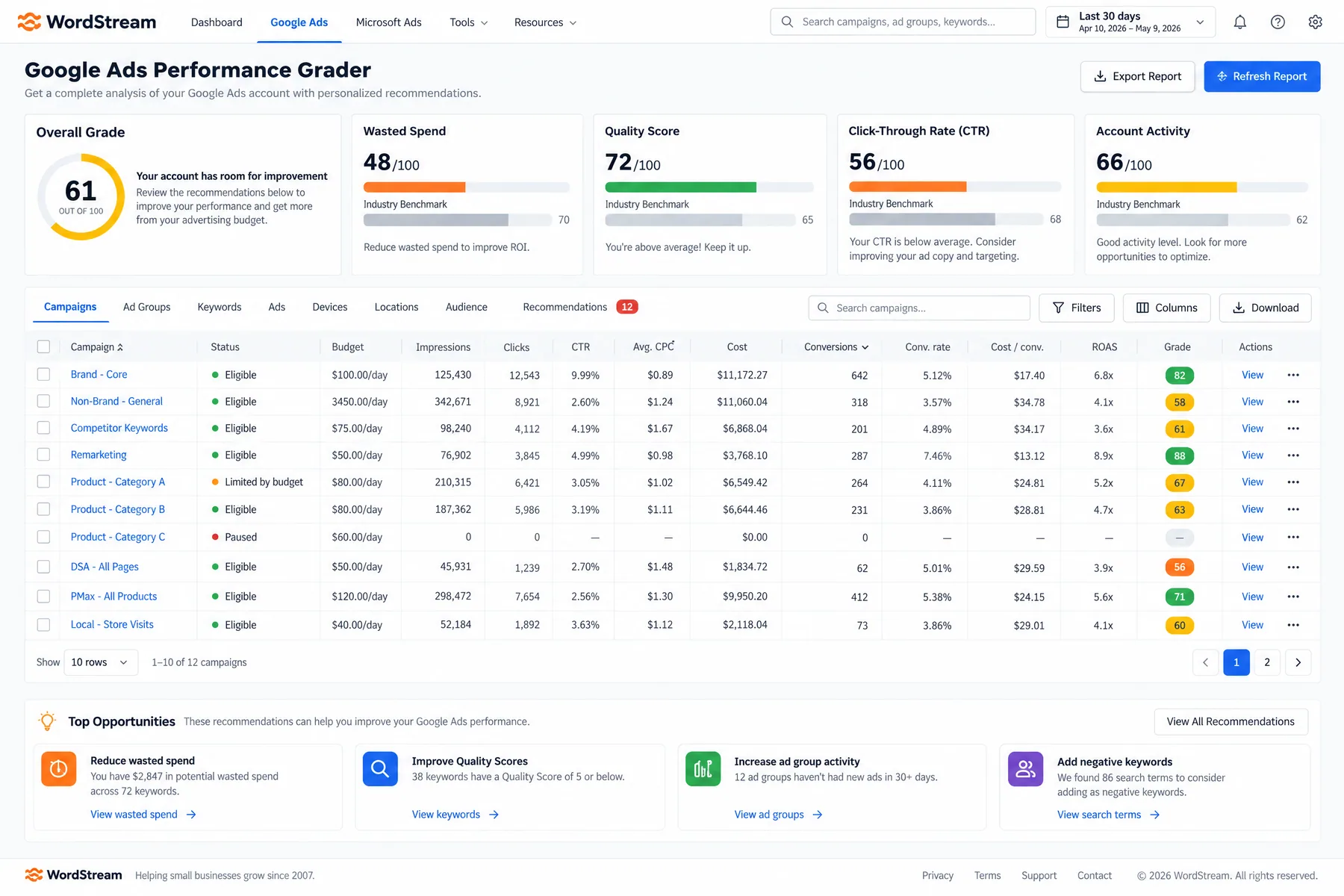
Platform automation capabilities vary significantly. Google Ads and Meta offer the most advanced APIs and template systems. LinkedIn, Twitter, and TikTok have growing automation support but with more limitations. The table below compares automation readiness across major platforms.

PlatformTemplate SupportAPI CoverageAutomation Readiness
Google AdsExcellent (Ads Editor)95% feature coverage🟢 Full automation
Meta (Facebook/Instagram)Good (saved drafts)90% feature coverage🟢 Full automation
LinkedIn AdsLimited75% feature coverage🟡 Partial automation
TikTok AdsBasic70% feature coverage🟡 Partial automation
Twitter AdsMinimal60% feature coverage🟡 Partial automation
YouTube Ads (via Google)Good85% feature coverage🟢 Full automation

Start automation with Google Ads and Meta — they offer the best ROI due to mature APIs and template systems. Add other platforms once you’ve optimized your core systems. For comprehensive automation across all platforms, consider tools that abstract platform differences through unified APIs.

What are the most common bottlenecks in campaign launches?

Based on analysis of 500+ marketing teams, these are the top bottlenecks that prevent fast campaign launches:

Bottleneck 1: Creative development delays (reported by 68% of teams). Waiting for design resources, copy revisions, and asset approvals. Solution: AI creative tools, asset libraries, and templated creative workflows. Reduce creative development from 2-3 days to 2-4 hours.

Bottleneck 2: Approval cycles taking 12-48 hours (62% of teams). Email chains, unclear decision criteria, and stakeholder availability. Solution: Define auto-approval rules, use structured approval tools, and establish clear escalation paths. Reduce approval time from 24-48 hours to 2-4 hours.

Bottleneck 3: Manual setup errors requiring rework (54% of teams). Tracking mistakes, targeting errors, and campaign structure issues. Solution: Automated QA checks, templates, and pre-flight validation. Reduce error rate from 15-20% to under 5%.

Bottleneck 4: Cross-platform campaign coordination (41% of teams). Managing campaigns across Google, Meta, LinkedIn requires separate workflows. Solution: Unified campaign builders, cross-platform templates, and API integrations. Launch multi-platform campaigns simultaneously instead of sequentially.

Bottleneck 5: Landing page coordination (33% of teams). Waiting for web development, A/B test setup, and tracking implementation. Solution: Template landing pages, no-code builders, and integrated tracking systems. Prepare landing pages in parallel with campaign creation.

Sarah K.

Sarah K.

Paid Media Manager

E-commerce Agency

★★★★★

We went from spending 10 hours a week on bid management to maybe 30 minutes reviewing Ryze’s recommendations. Our ROAS went from 2.4x to 4.1x in six weeks.”

4.1x

ROAS achieved

6 weeks

Time to result

95%

Less manual work

Frequently asked questions

Q: What systems reduce time-to-launch for ad campaigns the most?

Template-based campaign builders, AI creative generation, and automated QA systems provide the biggest time savings. These three systems alone can reduce launch time from 3-5 days to under 4 hours for most campaign types.

Q: How much do fast-launch systems cost to implement?

Implementation costs range from $5K-25K depending on complexity, but ROI typically breaks even within 30 days. Teams launching 25+ campaigns monthly see $10K+ in monthly time savings and revenue acceleration.

Q: Can these systems work across multiple ad platforms?

Yes. Google Ads and Meta offer the best automation support, with 90%+ of features accessible via APIs. LinkedIn, TikTok, and Twitter have partial automation capabilities that continue improving.

Q: What’s the typical ROI timeline for launch automation?

ROI breaks even within 30 days for most teams due to time savings. Full ROI including revenue acceleration and improved win rates is typically realized within 60-90 days of implementation.

Q: Do fast-launch systems affect campaign quality?

When implemented correctly, automated systems improve campaign quality by reducing manual errors and ensuring consistent best practices. Automated QA catches 85%+ of setup errors before launch.

Q: How does this compare to fully autonomous platforms like Ryze AI?

Fast-launch systems accelerate campaign creation but still require human oversight. Autonomous platforms like Ryze AI handle launch AND ongoing optimization 24/7, providing end-to-end automation with built-in guardrails.

Ryze AI — Autonomous Marketing

Skip manual launch workflows with autonomous AI

  • Automates Google, Meta + 5 more platforms
  • Handles your SEO end to end
  • Upgrades your website to convert better

2,000+

Marketers

$500M+

Ad spend

23

Countries

Live results across
2,000+ clients

Paid Ads

Avg. client
ROAS
0x
Revenue
driven
$0M

SEO

Organic
visits driven
0M
Keywords
on page 1
48k+

Websites

Conversion
rate lift
+0%
Time
on site
+0%
Last updated: Mar 31, 2026
All systems ok

Let AI
Run Your Ads

Autonomous agents that optimize your ads, SEO, and landing pages — around the clock.