
Marketing Automation
AI Based Marketing Automation — Complete 2026 Implementation Guide
AI based marketing automation transforms manual campaigns into self-optimizing systems. Deploy 12 core workflows — lead scoring, email sequences, customer journey mapping, predictive analytics — and watch conversion rates climb 40-65% while reducing manual workload by 80%.
Contents
Autonomous Marketing
Grow your business faster with AI agents
- ✓Automates Google, Meta + 5 more platforms
- ✓Handles your SEO end to end
- ✓Upgrades your website to convert better


What is AI based marketing automation?
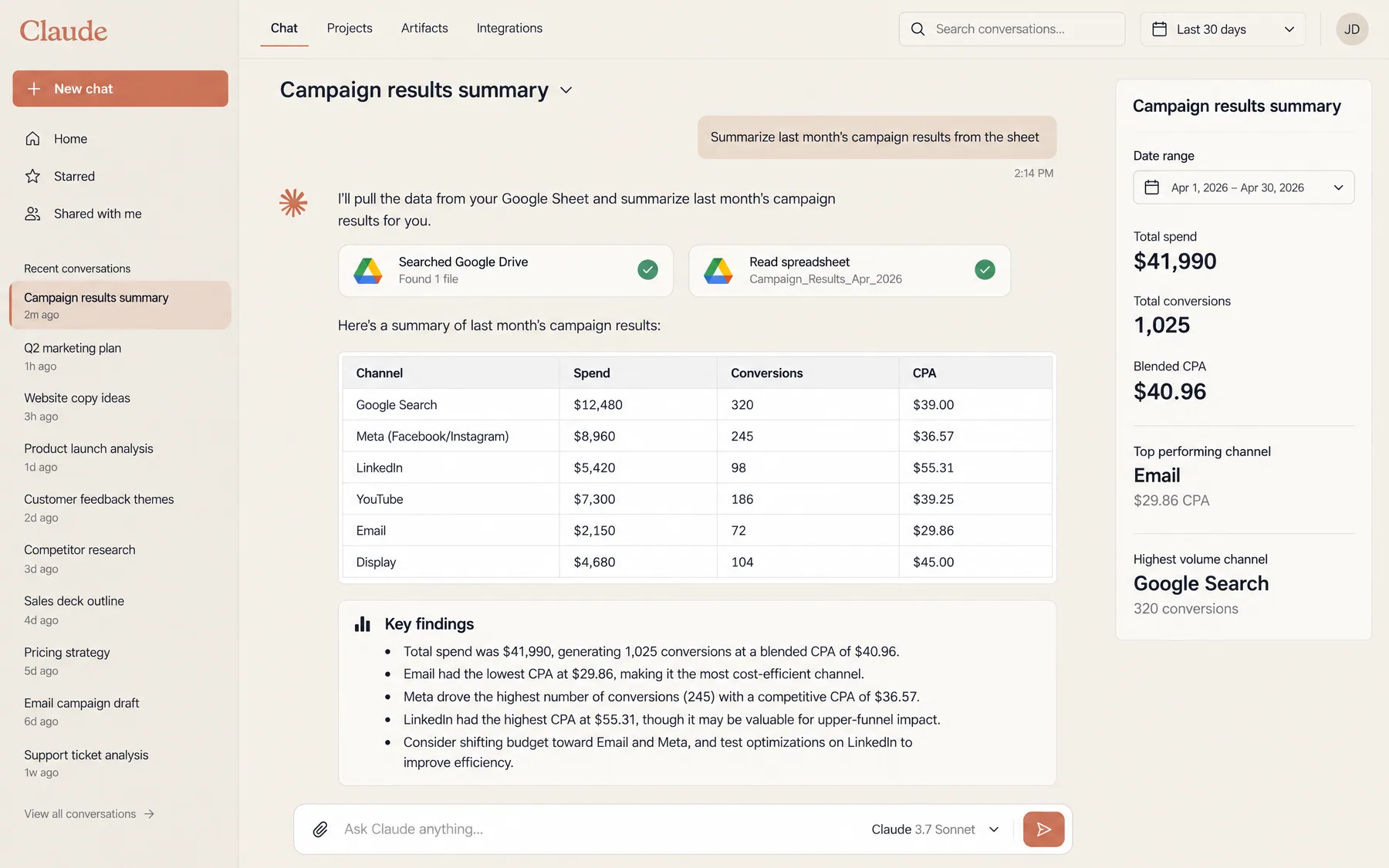
AI based marketing automation is the practice of using artificial intelligence to manage, optimize, and execute marketing workflows without human intervention. Unlike traditional rule-based automation that follows predetermined if-then sequences, AI based marketing automation learns from data patterns, predicts customer behavior, and adapts campaigns in real-time. The system monitors thousands of variables simultaneously — click patterns, engagement timing, demographic signals, purchase history — and adjusts messaging, targeting, and budget allocation to maximize conversions.
The technology stack combines machine learning algorithms, predictive analytics, natural language processing, and API integrations across email platforms, CRM systems, advertising networks, and website analytics. Instead of manually segmenting audiences, writing email sequences, or adjusting ad bids, marketers define business objectives and constraints while AI handles tactical execution. Companies using AI based marketing automation report 40-65% higher conversion rates and 80% reduction in manual campaign management time compared to traditional approaches.
The global marketing automation market reached $8.42 billion in 2025, with AI-powered solutions representing the fastest-growing segment at 14.2% CAGR. Early adopters gain significant competitive advantages: automated lead scoring identifies high-value prospects 3.5x faster than manual qualification, predictive email timing increases open rates by 25-40%, and dynamic creative optimization improves ad performance by 35-50%. This guide covers the complete implementation process, from selecting core components to measuring ROI across 12 essential workflows.
1,000+ Marketers Use Ryze


Automating hundreds of agencies


★★★★★4.9/5
What are the 5 core components of AI marketing automation?
Every AI based marketing automation system requires five foundational components working in coordination. Each component handles a specific function, but the real power emerges from their integration. Missing any single component creates gaps that limit automation effectiveness and ROI.
Component 01
Data Collection and Unification
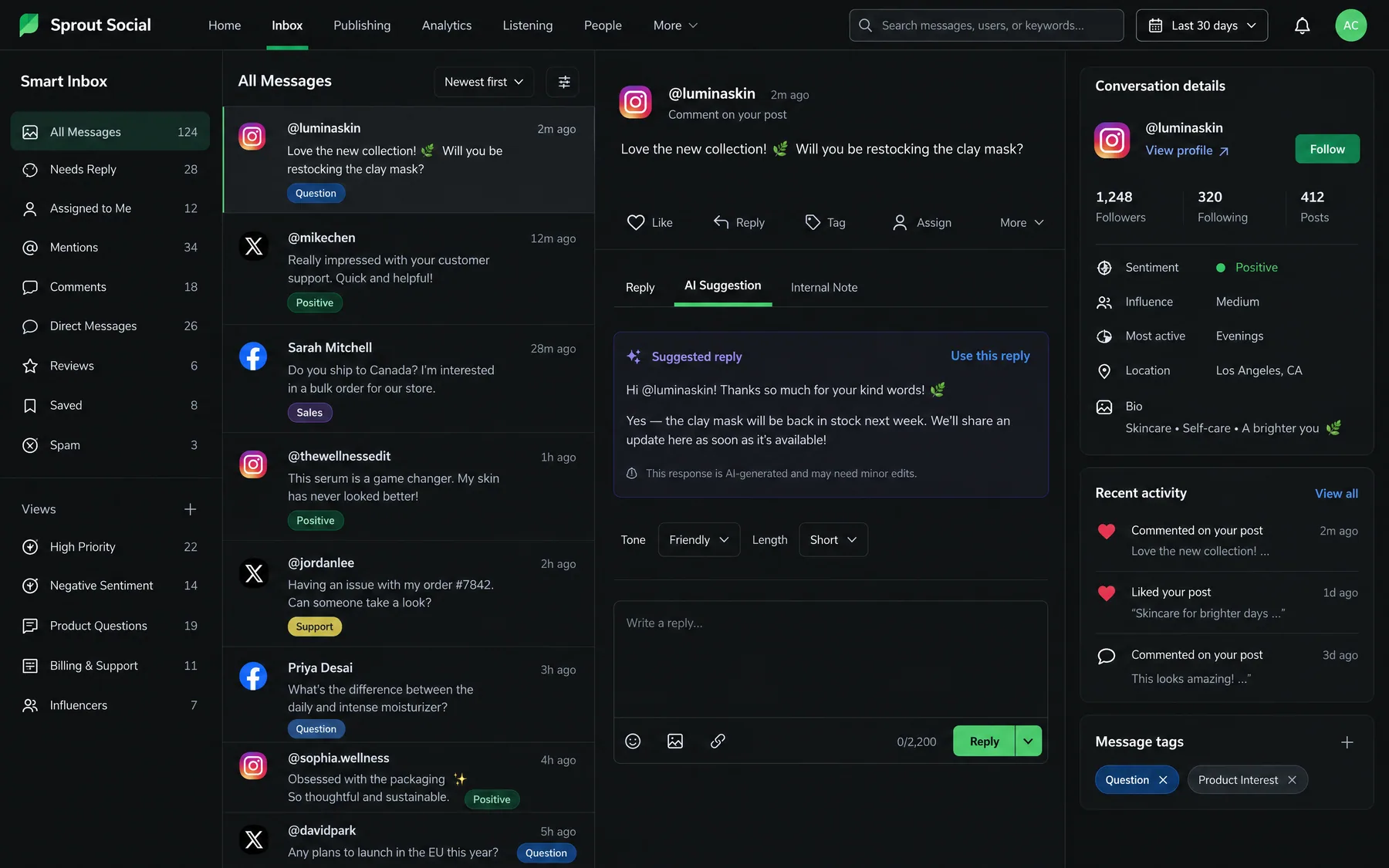
AI algorithms require massive, clean datasets to function effectively. This component aggregates customer touchpoints from websites, email platforms, CRM systems, social media, advertising networks, and offline interactions into a unified customer profile. Modern Customer Data Platforms (CDPs) like Segment, Snowflake, or integrated solutions like HubSpot handle identity resolution — matching anonymous website visitors to known contacts across devices and channels. Without unified data, AI makes decisions on incomplete information, leading to poorly targeted campaigns and wasted budget.
Component 02
Predictive Analytics Engine
The analytics engine processes historical data to predict future customer behavior. Machine learning models identify patterns in purchase timing, content engagement, channel preferences, and lifecycle progression. Advanced systems predict lead scoring probabilities, churn risk, lifetime value, and optimal touchpoint timing with 70-85% accuracy. The engine continuously refines predictions as new data arrives, improving accuracy over time. Popular solutions include Salesforce Einstein, Adobe Sensei, or custom models built on cloud ML platforms like Google AutoML or AWS SageMaker.
Component 03
Dynamic Content Generation
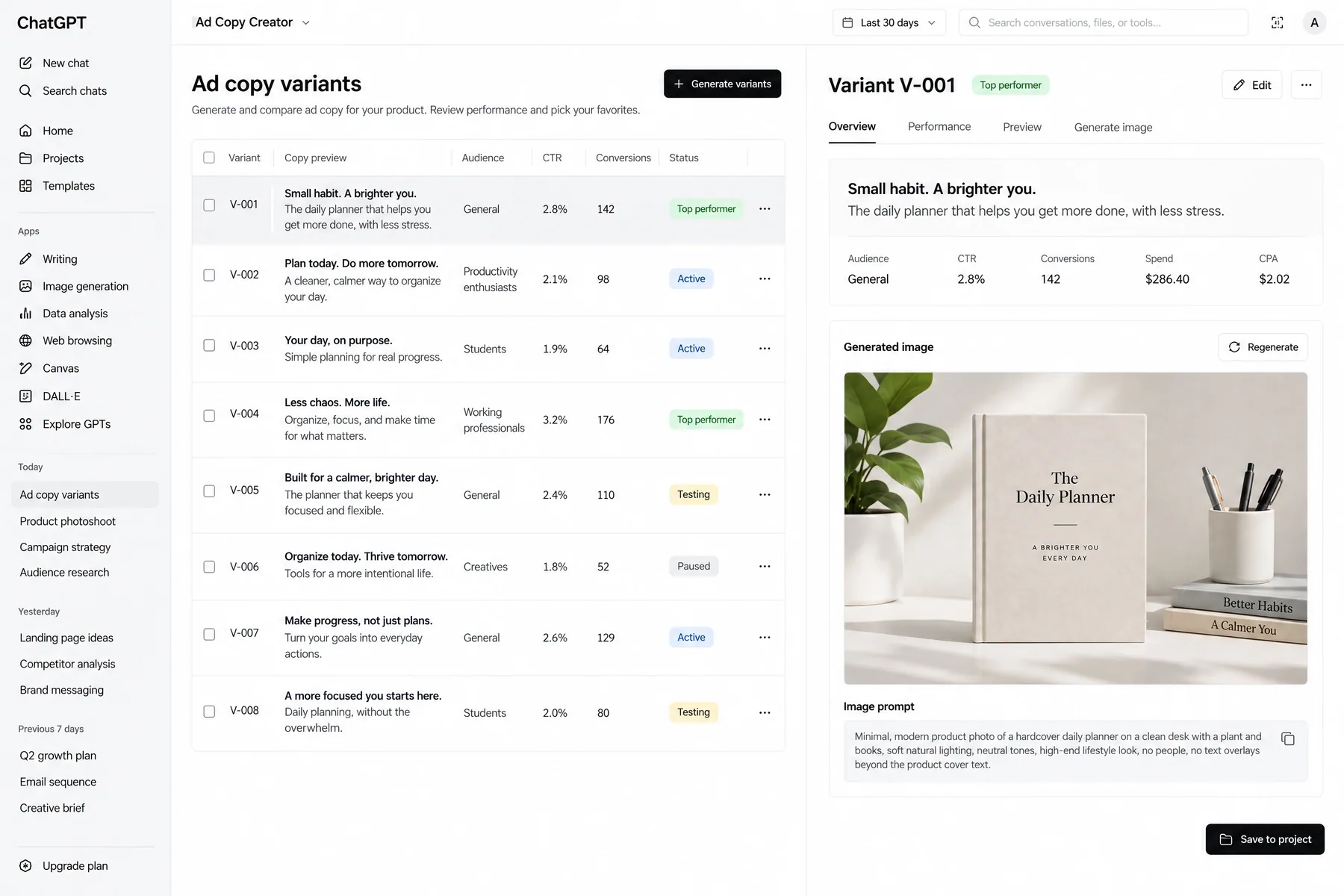
AI generates and personalizes content across channels based on individual customer profiles and real-time behavior. Natural Language Generation (NLG) creates email subject lines, ad copy, product recommendations, and website messaging tailored to specific segments or individuals. Advanced systems test thousands of content variations simultaneously, automatically promoting winners. Tools like Persado for email optimization, Phrasee for subject lines, or integrated solutions like Mailchimp's AI content assistant handle dynamic personalization at scale.
Component 04
Cross-Channel Orchestration
The orchestration layer coordinates message delivery across email, SMS, push notifications, social media, display advertising, and direct mail. AI determines the optimal channel mix, timing, and frequency for each individual based on historical engagement patterns and current context. If a customer typically opens emails on Tuesday mornings but ignores weekend messages, the system adjusts accordingly. Advanced orchestration prevents channel conflicts — avoiding simultaneous email and Facebook ad delivery that could annoy customers or inflate costs through self-competition.
Component 05
Real-Time Optimization
Continuous optimization adjusts campaigns based on live performance data. The system monitors click rates, conversion rates, cost per acquisition, and revenue attribution in real-time, automatically pausing underperforming campaigns, increasing budget for winners, and testing new variations. Unlike monthly manual reviews, AI optimization happens within minutes of detecting performance changes. This component prevents budget waste during low-performing periods and capitalizes on high-performing opportunities faster than human marketers can react.
12 essential AI marketing automation workflows to implement first
These workflows represent the highest-impact opportunities for most businesses. Start with workflows 1-4 for immediate results, then add advanced workflows as your data quality and team confidence improve. Each workflow builds on the previous ones, creating compounding automation effects.
Workflow 01
Intelligent Lead Scoring
AI analyzes dozens of behavioral signals to predict purchase probability more accurately than traditional demographic scoring. The system weights factors like email engagement patterns, website session depth, content topic preferences, device usage, and social media activity to generate dynamic lead scores from 0-100. High-scoring leads get immediate sales outreach while low-scoring leads enter nurturing sequences. Companies report 35-50% improvement in sales team efficiency when prioritizing AI-scored leads over manual qualification.
Workflow 02
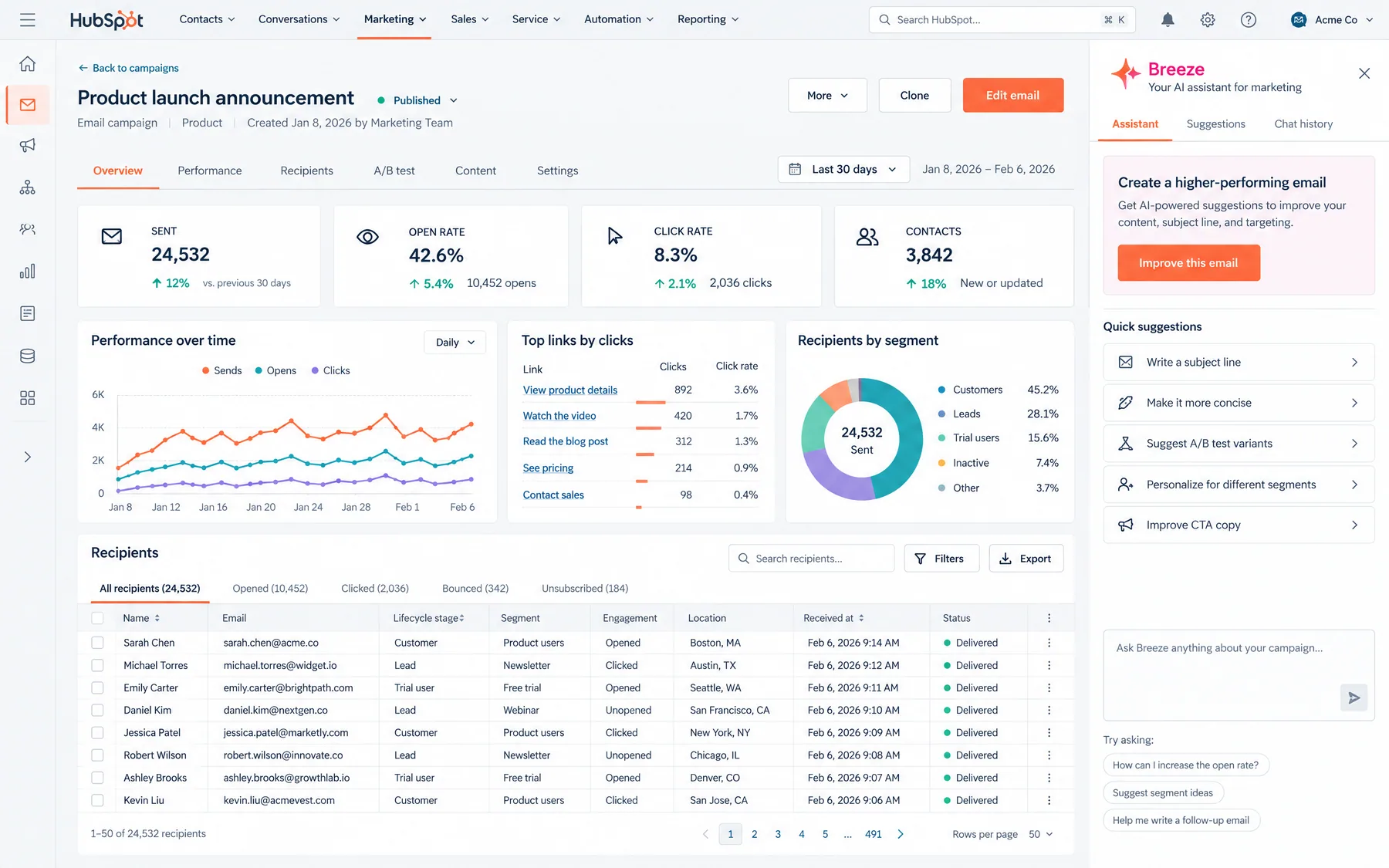
Behavioral Email Sequences
Dynamic email sequences adapt based on individual recipient behavior rather than following predetermined schedules. If someone opens but doesn't click, the next email emphasizes different value propositions. If they click but don't convert, the sequence focuses on objection handling or social proof. AI determines optimal send timing, subject line variants, and content mix for each subscriber. Advanced sequences generate 40-60% higher conversion rates compared to static drip campaigns.
Workflow 03
Predictive Customer Segmentation
Machine learning identifies customer micro-segments based on behavioral patterns rather than traditional demographics. AI might discover that customers who browse on mobile during lunch hours have 3x higher lifetime value than evening desktop users, even with identical demographics. These insights drive targeted campaigns with messaging, offers, and timing optimized for each micro-segment. Dynamic segmentation updates automatically as customer behavior evolves.
Workflow 04
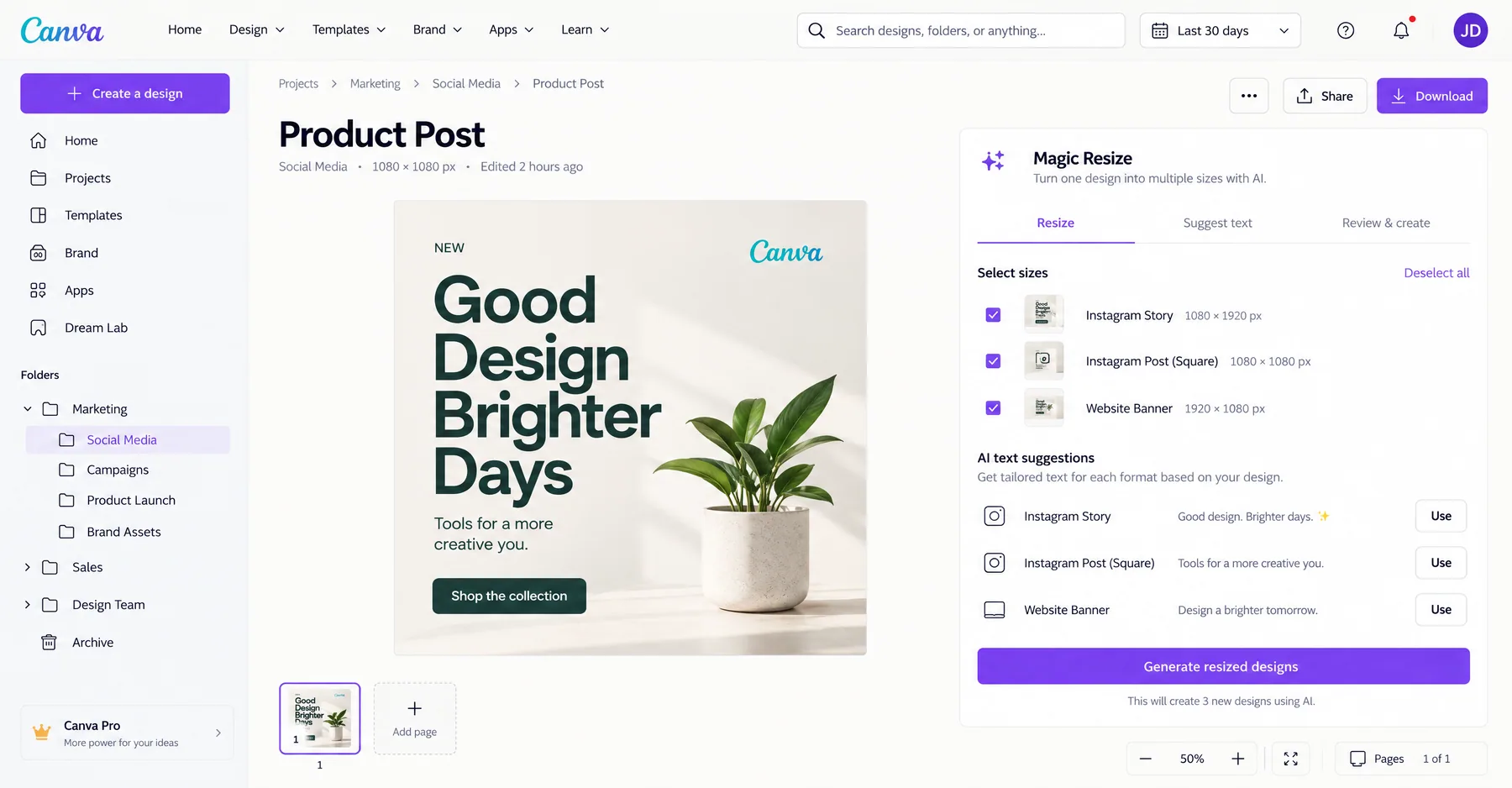
Automated Ad Creative Optimization
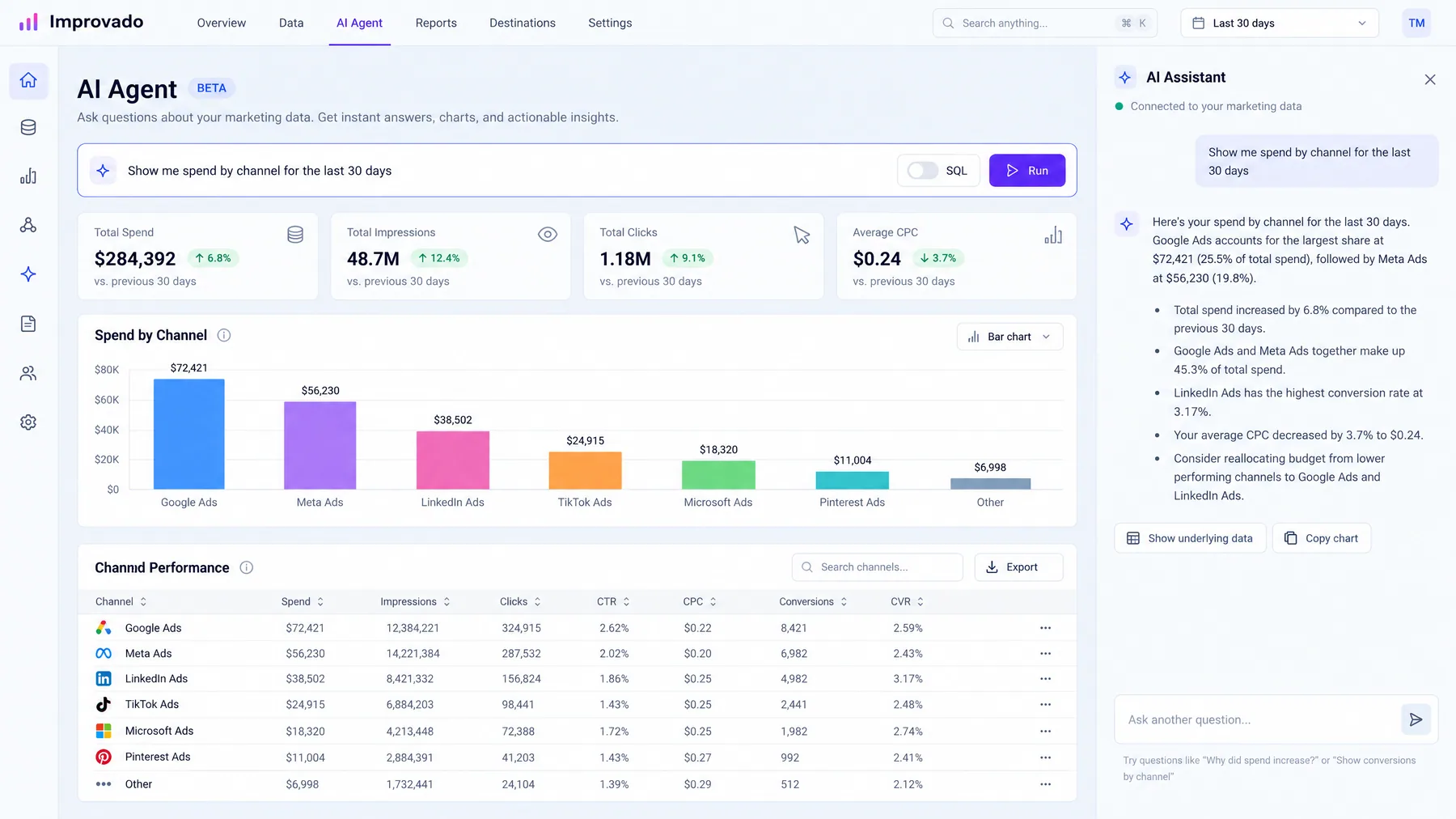
AI generates, tests, and optimizes advertising creative across Google Ads, Facebook, Instagram, and other platforms simultaneously. The system analyzes winning creative elements — headlines, images, calls-to-action, value propositions — and automatically produces new variants for testing. Underperforming ads get paused while budget shifts to winners. Creative fatigue detection prevents diminishing returns. Brands report 35-50% improvement in ad performance with continuous AI-driven creative optimization.
Workflow 05
Churn Prevention Campaigns
Predictive models identify customers at risk of churning 30-90 days before they typically cancel or stop purchasing. AI analyzes engagement decline patterns, support ticket sentiment, payment delays, and usage frequency changes to flag at-risk accounts. Automated retention campaigns trigger with personalized offers, success stories from similar customers, or proactive support outreach. Early intervention prevents 20-40% of predicted churn when implemented consistently.
Workflow 06
Dynamic Pricing and Offers
AI adjusts pricing, discount levels, and promotional timing based on individual customer price sensitivity, competitive landscape, and inventory levels. The system tests different price points and offer structures to maximize both conversion rate and profit margin for each customer segment. Personalized pricing can increase revenue per customer by 15-25% while maintaining competitive positioning. E-commerce sites and SaaS platforms see the highest impact from dynamic pricing automation.
Workflow 07
Cross-Sell and Upsell Optimization
Machine learning models analyze purchase history, browsing behavior, and customer lifecycle stage to recommend complementary products or service upgrades at optimal moments. AI determines the best products to recommend, ideal timing for offers, and most effective messaging approach for each customer. Automated cross-sell campaigns typically generate 20-35% additional revenue from existing customers without increasing acquisition costs.
Workflow 08
Content Personalization Engine
AI personalizes website content, blog recommendations, product descriptions, and landing pages for individual visitors based on their behavior, preferences, and stage in the buyer journey. Dynamic content blocks adjust headlines, images, testimonials, and calls-to-action in real-time. Personalized experiences typically increase conversion rates by 25-40% compared to static pages, with B2B companies seeing higher impact than B2C due to longer consideration cycles.
Workflow 09
Social Media Automation
Automated social media management goes beyond scheduled posting to include content generation, community engagement, and performance optimization. AI analyzes trending topics, audience engagement patterns, and competitor activity to suggest optimal posting times, content formats, and messaging themes. Advanced systems respond to comments and messages with appropriate tone and context, escalating complex inquiries to human team members.
Workflow 10
Customer Journey Mapping
AI automatically maps and optimizes customer journeys by analyzing touchpoint sequences that lead to conversions. The system identifies bottlenecks, drop-off points, and acceleration opportunities across all channels. When patterns change — such as mobile users converting faster than desktop users — automated journey adjustments optimize for new behaviors. Dynamic journey mapping ensures marketing funnels stay optimized as customer behavior evolves.
Workflow 11
Attribution and Budget Optimization
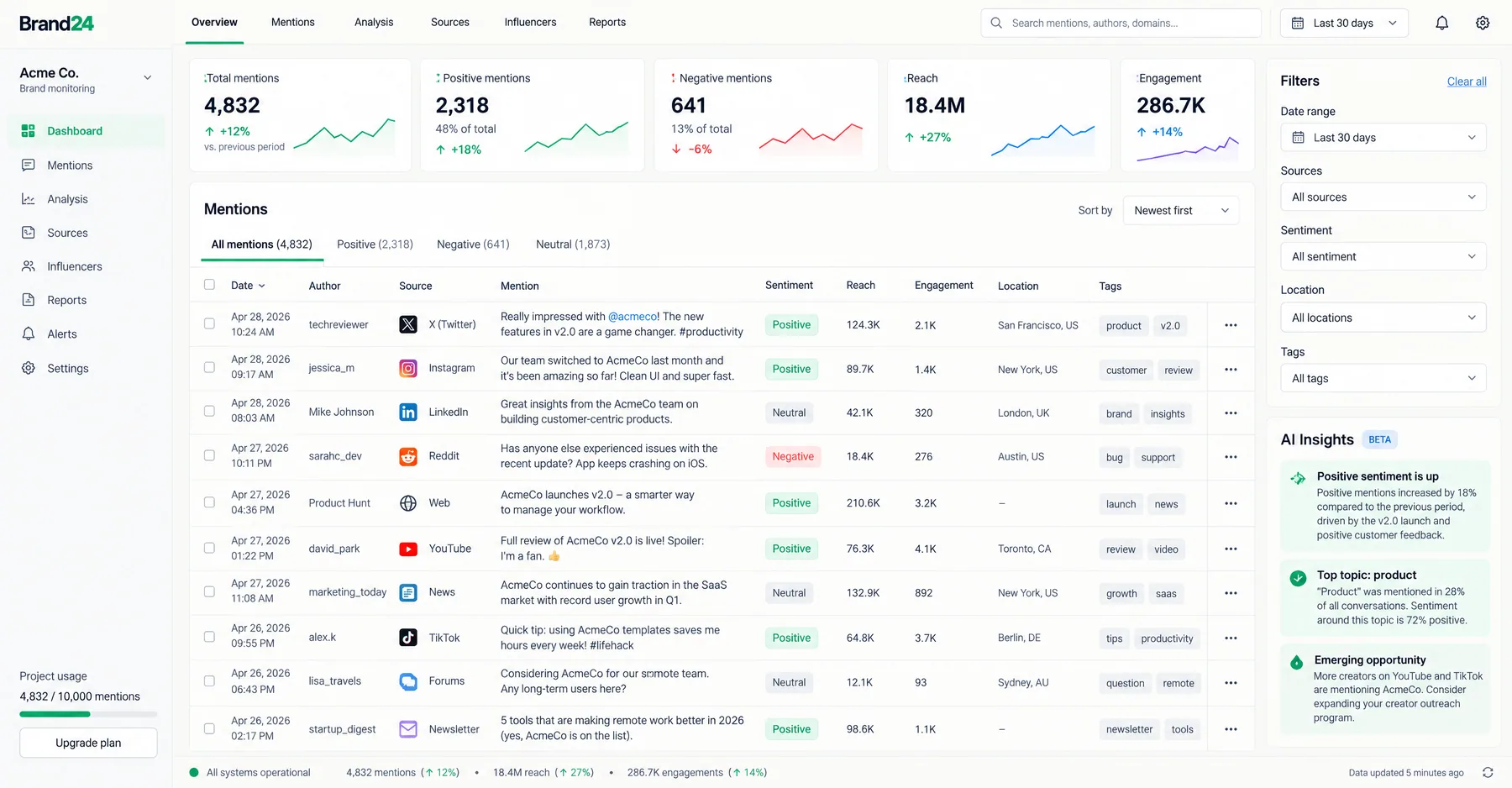
Multi-touch attribution models powered by machine learning determine the true contribution of each marketing channel and campaign to revenue generation. AI automatically reallocates budgets from underperforming channels to high-ROI activities based on actual contribution rather than last-click attribution. Advanced attribution accounts for view-through conversions, offline interactions, and long consideration cycles to optimize budget allocation across the entire marketing mix.
Workflow 12
Predictive Analytics Reporting
Automated reporting goes beyond historical performance to include predictive insights and recommended actions. AI identifies trends, forecasts future performance, and suggests specific optimizations based on data patterns. Reports adapt to audience needs — executives see high-level ROI summaries while campaign managers receive tactical optimization recommendations. Predictive reporting enables proactive decision-making rather than reactive campaign adjustments.
Ryze AI — Autonomous Marketing
Skip manual setup — let AI optimize your marketing 24/7
- ✓Automates Google, Meta + 5 more platforms
- ✓Handles your SEO end to end
- ✓Upgrades your website to convert better
2,000+
Marketers
$500M+
Ad spend
23
Countries
How to implement AI marketing automation in 6 steps
Successful AI based marketing automation requires strategic planning and phased rollout. Companies that rush implementation without proper data foundation and team training see 40-60% lower ROI than those following structured approaches. This roadmap minimizes risk while maximizing time-to-value.
Step 01
Audit and Unify Your Data
Inventory all customer data sources: CRM, email platform, website analytics, advertising platforms, social media, and offline interactions. Identify data quality issues, duplicate records, and integration gaps. Implement customer data unification through a CDP or integrated platform. Clean data is the foundation of effective AI automation — poor data quality leads to incorrect predictions and wasted automation efforts. Plan 4-6 weeks for comprehensive data audit and unification.
Step 02
Select Your Technology Stack
Choose platforms that integrate well with your existing systems and support your priority workflows. All-in-one solutions like HubSpot or Salesforce provide easier integration but less specialization. Best-of-breed approaches offer more advanced features but require complex integration. For most mid-market companies, starting with integrated platforms reduces complexity while maintaining effectiveness. Evaluate based on your team's technical capabilities and long-term scalability needs.
Step 03
Implement Priority Workflows
Start with the four highest-impact workflows: lead scoring, behavioral email sequences, predictive segmentation, and automated ad optimization. These provide immediate ROI while building team confidence in AI automation. Configure each workflow with conservative parameters initially, then optimize based on performance data. Expect 6-8 weeks to implement and optimize the first four workflows properly.
Step 04
Train Your Team
AI automation changes daily workflows significantly. Sales teams need training on AI-scored leads and automated nurturing handoffs. Marketing teams must understand how to interpret AI insights and collaborate with automated systems. Customer service needs protocols for AI-triggered outreach and escalation. Invest in comprehensive training to prevent automation sabotage through workarounds or resistance to new processes.
Step 05
Monitor and Optimize
Establish KPI dashboards tracking automation performance against baseline metrics. Monitor lead quality, conversion rates, customer satisfaction, and team productivity. AI systems improve with feedback — regularly review and adjust parameters based on business results. Schedule weekly optimization reviews for the first month, then transition to bi-weekly once systems stabilize. Continuous monitoring prevents AI drift and ensures sustained performance improvement.
Step 06
Scale Advanced Workflows
After mastering core workflows, add advanced automation like churn prevention, dynamic pricing, cross-sell optimization, and predictive analytics reporting. Advanced workflows require more sophisticated data inputs and longer optimization periods but deliver higher ROI once fully operational. Most companies expand to 8-10 automated workflows within 6 months of initial implementation.
Which AI marketing automation platforms should you choose?
Platform selection depends on company size, technical resources, existing tool ecosystem, and automation priorities. Enterprise companies need different capabilities than small businesses. The key is matching platform strengths to your specific requirements rather than choosing based on features you may never use.
| Platform Type | Best For | Typical Cost | Implementation Time |
|---|---|---|---|
| All-in-One (HubSpot, Salesforce) | Small-medium businesses, integrated workflows | $500-5K/month | 6-12 weeks |
| Specialized (Marketo, Pardot) | Enterprise, complex nurturing | $2K-15K/month | 12-20 weeks |
| AI-First (Ryze AI, Seventh Sense) | Performance-focused, hands-off automation | $200-2K/month | 2-6 weeks |
| Custom/Open Source | Large enterprises, unique requirements | $10K-100K+ setup | 20-40 weeks |
All-in-One platforms like HubSpot or Salesforce provide CRM, email marketing, landing pages, and basic AI automation in unified packages. These work well for companies wanting integrated workflows without complex technical setup. The tradeoff is less advanced AI capabilities compared to specialized solutions.
Specialized platforms like Marketo, Pardot, or Adobe Campaign offer advanced automation features for enterprise marketing teams. They excel at complex lead nurturing, account-based marketing, and sophisticated personalization but require significant technical expertise to implement effectively.
AI-First platforms like Ryze AI focus specifically on autonomous optimization rather than manual campaign building. These platforms excel at hands-off performance improvement but may require integration with existing CRM and email systems.
How do you measure ROI from AI marketing automation?
ROI measurement requires tracking both direct revenue impact and operational efficiency gains. Many companies focus only on revenue metrics but miss significant value from reduced manual labor, faster response times, and improved customer experience. Comprehensive ROI tracking includes financial, operational, and strategic benefits.
Primary Metrics
Revenue Impact Measurement
- •Conversion Rate Lift: Compare conversion rates before and after automation implementation across all channels
- •Customer Lifetime Value: Track CLV improvements from better segmentation, retention, and cross-selling
- •Cost Per Acquisition: Measure CPA reduction from improved targeting and optimization
- •Revenue Attribution: Calculate revenue directly attributable to automated campaigns and optimizations
Secondary Metrics
Operational Efficiency Gains
- •Time Savings: Quantify hours saved from automated campaign management, reporting, and optimization
- •Response Speed: Measure improvement in lead response times and campaign optimization cycles
- •Team Productivity: Track increases in campaigns managed per person and strategic project capacity
- •Error Reduction: Monitor decreases in campaign setup errors and missed optimization opportunities
Calculate Total ROI by combining revenue gains with operational savings. For example: if automation increases revenue by $50K/month and saves 40 hours of manual work valued at $3K/month, total monthly benefit is $53K. Compare against platform costs and implementation expenses to determine payback period. Most companies see positive ROI within 3-6 months of full implementation.

Sarah K.
Paid Media Manager
E-commerce Agency
We went from spending 10 hours a week on bid management to maybe 30 minutes reviewing Ryze’s recommendations. Our ROAS went from 2.4x to 4.1x in six weeks.”
4.1x
ROAS achieved
6 weeks
Time to result
95%
Less manual work
Common pitfalls when implementing AI marketing automation
Pitfall 1: Skipping data preparation. Many companies rush to implement AI automation without cleaning and unifying their data first. Poor data quality leads to inaccurate predictions, irrelevant personalization, and wasted automation efforts. Invest 4-6 weeks in proper data preparation before deploying automation workflows.
Pitfall 2: Over-automating too quickly. Implementing all 12 workflows simultaneously overwhelms teams and makes optimization difficult. Start with 3-4 core workflows, master them completely, then gradually add advanced automation. Companies that phase implementation see 60% higher ROI than those attempting everything at once.
Pitfall 3: Ignoring team training. AI automation changes daily workflows significantly. Teams that don't understand how to collaborate with AI systems often create workarounds that undermine automation effectiveness. Schedule comprehensive training sessions and provide ongoing support during the transition period.
Pitfall 4: Setting unrealistic expectations. AI automation delivers significant improvements but not overnight miracles. Machine learning models need 4-8 weeks to accumulate sufficient data for accurate optimization. Set realistic timelines and focus on long-term compound improvements rather than immediate dramatic changes.
Pitfall 5: Insufficient monitoring and optimization. AI systems require ongoing monitoring and adjustment to maintain peak performance. Companies that implement automation then ignore it for months see performance degrade as market conditions change. Schedule weekly optimization reviews initially, then transition to bi-weekly monitoring once systems stabilize.
Frequently asked questions
Q: What is AI based marketing automation?
AI based marketing automation uses machine learning to manage, optimize, and execute marketing workflows automatically. Unlike rule-based automation, AI adapts to data patterns and customer behavior in real-time, improving campaign performance continuously without manual intervention.
Q: How long does implementation take?
Complete implementation typically takes 12-16 weeks including data preparation, platform setup, workflow configuration, team training, and optimization. However, you can see initial results from core workflows within 4-6 weeks of starting implementation.
Q: What ROI can I expect from AI marketing automation?
Most companies see 40-65% improvement in conversion rates, 20-35% increase in customer lifetime value, and 80% reduction in manual campaign management time. Total ROI typically ranges from 300-800% within 12 months of full implementation.
Q: Which workflows should I implement first?
Start with intelligent lead scoring, behavioral email sequences, predictive customer segmentation, and automated ad creative optimization. These four workflows provide the highest immediate impact while building foundation for advanced automation.
Q: Do I need technical expertise to implement AI automation?
Basic technical knowledge helps but isn't required. All-in-one platforms like HubSpot provide user-friendly interfaces, while AI-first platforms like Ryze AI handle technical complexity automatically. Most implementations require marketing expertise more than technical skills.
Q: How does this compare to manual campaign management?
AI automation operates 24/7, processes thousands of variables simultaneously, and optimizes in real-time. Manual management relies on periodic reviews and human judgment. AI typically delivers 2-4x better performance while reducing manual workload by 70-90%.
Ryze AI — Autonomous Marketing
Start your AI marketing automation journey today
- ✓Automates Google, Meta + 5 more platforms
- ✓Handles your SEO end to end
- ✓Upgrades your website to convert better
2,000+
Marketers
$500M+
Ad spend
23
Countries